
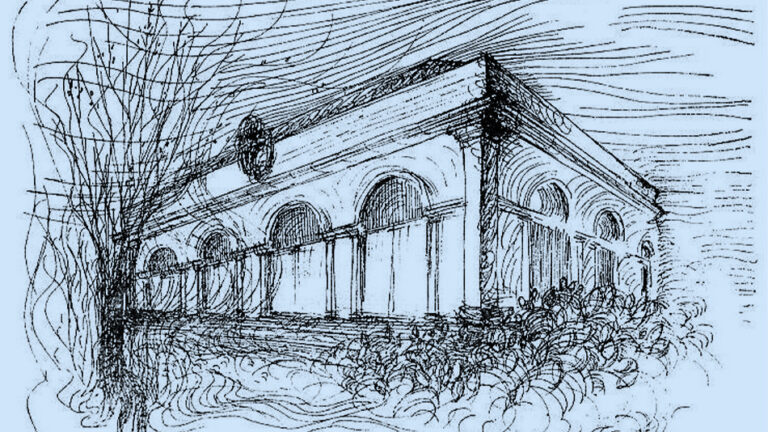
In the second half of the eighteenth century, Porto was the only city besides Lisbon where opera performances took place, albeit irregularly. The Teatro do Corpo da Guarda, also known as Teatro Público, a building owned by the Duke of Lafões, was the venue where, from 1760 onwards, an operatic life of some intensity developed.
This activity was sustained by an Italian opera company (alongside a national theatre company), operating within a production model under the protection of the governor Almada e Melo, nicknamed the “Pombal of the North”.1